If you are building a new smart display line, you stand between two similar yet very different products: the AI art frame and the traditional digital frame. On the shelf they can look like twins. In sourcing they behave like two distant cousins. The choice affects your mold cost, app work, long term support, and even how your sales team talks to buyers. This guide walks through the differences from your point of view as an OEM/ODM buyer, with a focus on real project risks and chances, not just pretty features.
Why This Comparison Matters for OEM/ODM Buyers
When you sit down with a factory, you do not just pick a screen size. You decide how complex the firmware will be, how strict the quality checks need to run, and how much margin you can leave for your partners. A digital frame is usually treated as a consumer gadget. An AI art frame is much closer to a lifestyle object for home décor and galleries. If you sort those roles early, talks with any AI art frame manufacturer or digital frame supplier become much easier.
Typical Questions You May Ask Before Sourcing
You may already be asking questions like:
- Will buyers really pay extra for an AI art frame, or will they still compare it to a simple digital frame
- Is e ink worth the extra cost and testing time
- For a first trial order, should you start with safe ODM digital frame products instead
The next sections answer these questions step by step and give you a simple way to compare both options.
What Are Digital Frames And AI Art Frames
From a user angle both devices show pictures. From your angle they sit in different layers of the product ladder. A digital frame is a media device. An AI art frame is an art display that happens to be smart.
Core Traits Of Traditional Digital Frames
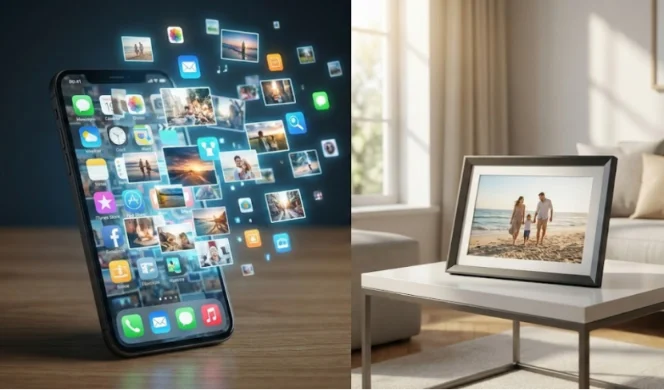
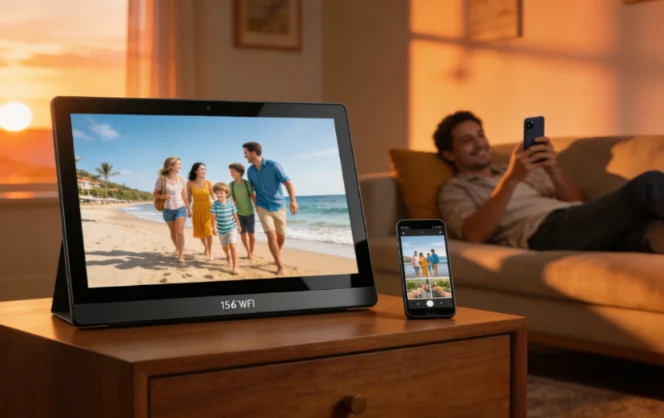
A typical digital frame uses an LCD or IPS panel with LED backlight. Many 10.1–15.6 inch models work in 16:9 ratio, around 250 nit brightness, with 1280×800 or 1920×1080 resolution and Wi Fi connection. Users send photos or short videos from an app, then let the frame loop them as a slideshow. This type of product fits gift markets, family use, and simple office displays.
For you, the main benefit is maturity. The supply chain is stable, standard molds already exist, and firmware changes stay small. A digital frame ODM project often feels like a “plug in your logo and UI colors” exercise, which is why many buyers choose them as their first smart display products.
Core Traits Of AI Art Frames
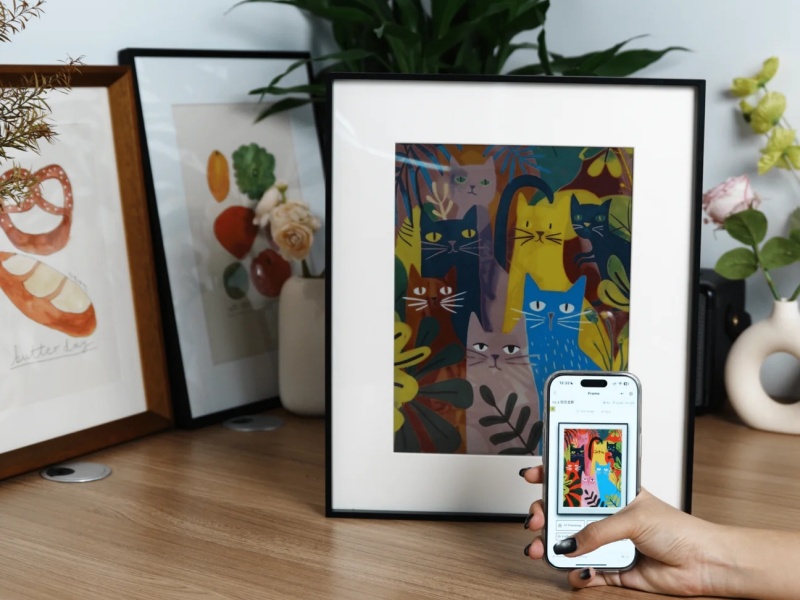
An AI art frame is built for art first and features second. Many use full color electronic ink such as Spectra technology to create a paper like display that does not reflect light and does not flicker. Power draw is very low, so one charge can support use for many months, sometimes close to a year, and the last artwork still stays on screen when the power runs out.
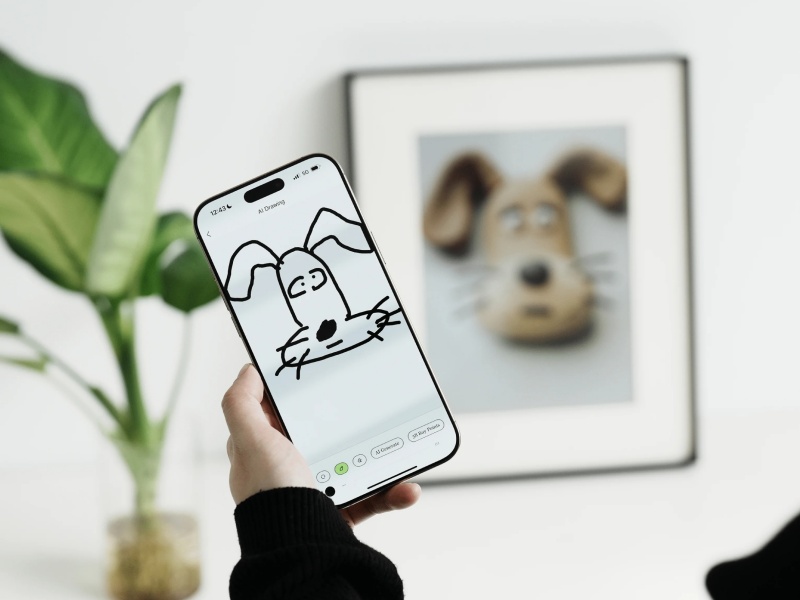
The content pipeline is also different. Users talk to an AI, draw, or upload photos. The built in AI engine then turns ideas into unique artworks pushes them to the frame. The E-ink frame can store thousands of images, run slideshows, and display widgets such as weather, calendar, and news, etc , so it becomes part of daily life, not just a static photo display.
Key Technical And Cost Differences For OEM/ODM Projects
Once the basic roles are clear, you can look at the parts that affect your budget and schedule. A short table often helps in internal meetings.
Display, Power, And Software Differences
| Aspect | Digital Frame | AI Art Frame | Impact On Your Project |
|---|---|---|---|
| Display type | LCD or IPS with backlight | Color e ink with paper like effect | AI art frame looks more premium but panel cost rises |
| Blue light and glare | Noticeable blue light and reflections | Almost no blue light, anti glare surface | Easier to sell as eye friendly décor |
| Power use | Needs constant power for full brightness | Very low, image holds when static | Better for cable free walls and long term installs |
| Content type | Photos and videos | AI generated art, classic artworks, family gallery | Stronger story for high end spaces |
| App complexity | Basic photo app | AI prompts, styles, remote control, widgets | More software work in OEM or deep ODM deals |
For a simple family gift project, this extra complexity might be more than you want in version one. For a lifestyle or design channel, these same details become strong selling points.
Cost, MOQ, And Time To Market
Cost and timing often decide the final direction. A rough comparison looks like this:
| Topic | Digital Frame ODM | AI Art Frame OEM/ODM |
|---|---|---|
| Development work | Mostly on branding and minor UI changes | Deeper work on AI, app, and UX |
| Typical MOQ | Lower for standard molds | Higher when you change housing and software |
| Launch speed | Fast, good for seasonal sales | Slower, better for long term hero products |
| Risk level | Lower, mature platform | Higher, but with more room for differentiation |
If you need a quick entry into a new market, digital frame ODM projects are the safer bet. If you already have a stable base business and want a flagship product that stands out in showrooms, an AI art frame project starts to make sense.
How To Choose The Right Frame Type For Your Product Strategy
There is no single answer that fits every buyer. Your choice depends on price points, channels, and how much custom work your team can handle this year. Some buyers keep both: digital frames for volume, AI art frames for margin and visibility.
When Digital Frames Fit Better
Digital frames fit you best when the goal is:
- Entry level prices for online platforms
- Gift bundles and seasonal promotions
- Simple user guides and low support load
In this case you can review existing digital frame products from a supplier catalog and pick the models that fit your market. A good factory will also help you create smart display solutions around those frames, such as wall mounts or bundled accessories, without heavy R&D work on the device itself.
When AI Art Frames Fit Better
AI art frames shine in projects focused on home décor, hotels, galleries, or style driven retail. Users in these spaces care about soft light, silent operation, and cable free walls. The e ink panel, AI artworks, and long battery life match those needs very well.
If you also run commercial projects, you can extend the same hardware and software into custom digital signage & frames for lobbies, meeting rooms, or showrooms. That way your art frame platform serves both home users and business clients with different housings and firmware profiles on top.
Why Work With YIAISIGN For Digital Frames And Smart Displays
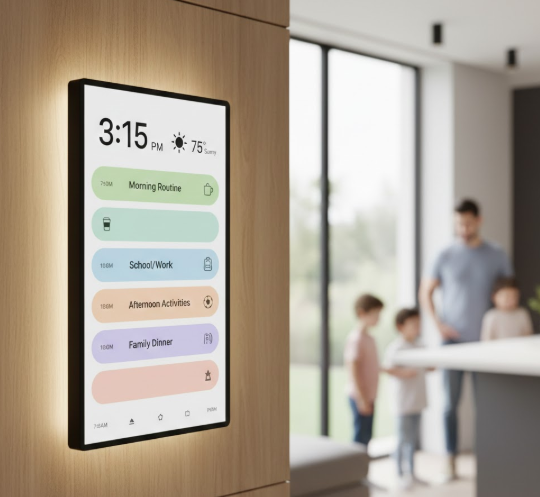
YIAISIGN is a professional digital screen display manufacturer offers customizable digital frames, dementia clocks, Android all in one machines, digital signage, portable monitors, and related smart frame. YIAISIGN combines hardware design, software development, and production under one roof, so you can discuss panel choice, housing design, firmware, and packaging with one team instead of several small vendors.
With more than 15 years of experience in the display industry, YIAISIGN focuses on stable quality, flexible OEM/ODM support, and long term partnerships across Europe, America, and other regions.
FAQ
Q1: Is an AI art frame always more expensive than a digital frame?
A: Most of the time yes, because the panel, software, and app work are more complex. If you reuse an existing housing and keep the feature list lean, the gap can shrink, but it rarely vanishes.
Q2: For a first project, should you start with an AI art frame or a regular digital frame?
A: If you are testing a new channel or a new region, a regular Wi Fi digital frame from an ODM catalog is usually safer. Once you have real sales data and feedback, an AI art frame project becomes easier to justify.
Q3: Do AI art frames need Wi Fi all the time?
A: They need a network to receive new artworks, app commands, and widgets like weather or news. After images are stored, they can still show them offline, especially when the screen uses e ink and holds the last picture.
Q4: What should you ask a factory before you confirm an AI art frame order?
A: You can ask about panel supplier, battery test reports, AI engine source, app ownership, and update plan. Clear answers on these points help you avoid later disputes over software rights and support.
Q5: Can one supplier handle both home frames and commercial displays?
A: Some manufacturers, including YIAISIGN, already produce home digital frames, digital art devices, digital signage, and other smart screens on the same platform, so you can build a full product ladder without changing suppliers for each new idea.