Hi there, If you want more than another “me too” digital frame, a custom AI art frame project is one of the few ways to make your lineup feel truly new. You are not only shipping a screen, you are shipping a small art gallery that lives on your customer’s wall. To get there without burning time and money, you need a clear way to talk with your factory, your app team, and any custom AI art frame supplier involved in the project.
Why Custom AI Art Frames Are Rising in OEM/ODM Demand
In the past, most buyers were happy with simple photo frames that looped family pictures. Now people ask for frames that create art from voice prompts, show classic paintings, and run for months on a single charge. Full-color E-ink, AI painting engines, and ultra-low power designs make that possible, so demand from brands and retailers has started to shift toward smarter art-focused devices.
You also see a pricing gap. A regular digital frame often fights in crowded, low-margin categories. A well executed AI art frame can sit in lifestyle, home décor, even light gallery segments, with more room for margin. That is why more buyers now ask their custom AI art frame supplier for full projects, not just white-label hardware.
Key Questions You Should Clarify Early
Clear digital art frame purchase objectives, border material selection, screen type and software depth, AI creation capabilities, whether additional features are needed, etc.
Planning Your Custom AI Art Frame Project
Think of the project as four linked blocks: housing, display, firmware, and app. If one block stays vague, you will pay for it later, usually in delays or extra engineering charges. A short project brief sent to every potential custom AI art frame supplier saves a lot of calls.
Define Project Scope With Your Manufacturer
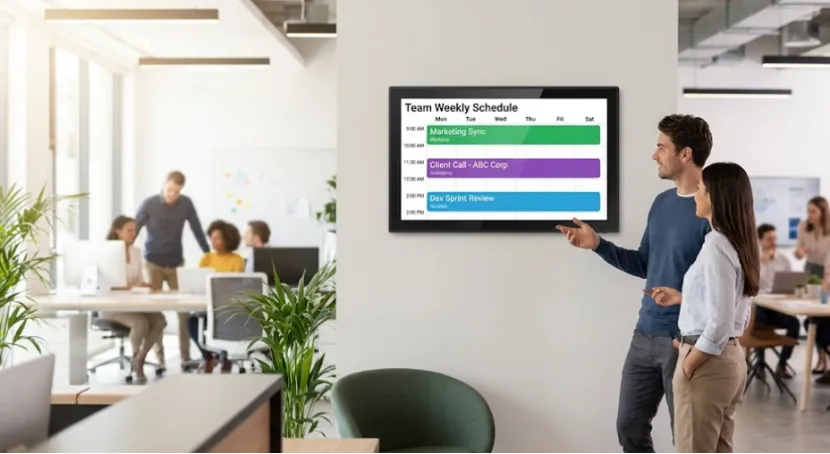
Write down basics first: approximate size range (for example 10–13 inches for desks, 15–27 inches for walls), wall-mount or tabletop, wired or mostly battery use, and if you need weather, calendar, or news widgets on screen. Add a quick user story: “user speaks a prompt, gets an artwork, frame shows it in a slideshow.” This looks simple, but it already tells the factory what kind of memory, Wi-Fi and app flow they must plan for.
Custom Housing: Materials, Structure, and Finish
Housing decides how premium the product feels before it even powers on. You do not have to build a museum piece, but the frame does need to match the décor stories your sales team will tell.
Choosing Materials And Structure
A plastic body is cheaper and lighter. Metal or wood-look frames feel more solid and blend better with furniture. For wall mounts, a slim profile with hidden cables matters more than raw weight. You also need room for battery cells if you want a mostly wireless frame. Low-power E-ink helps here because the product can run many months on a single charge.
Finish, Color, And Mounting
Matte white, soft black, and light wood finishes tend to work with most homes. Ask for mounting tests as well: can the frame hang in both portrait and landscape, can a user easily move it between rooms, does the back look clean when someone sees it from the side. These details sound small but often decide if a customer keeps the frame for years or hides it in a drawer.
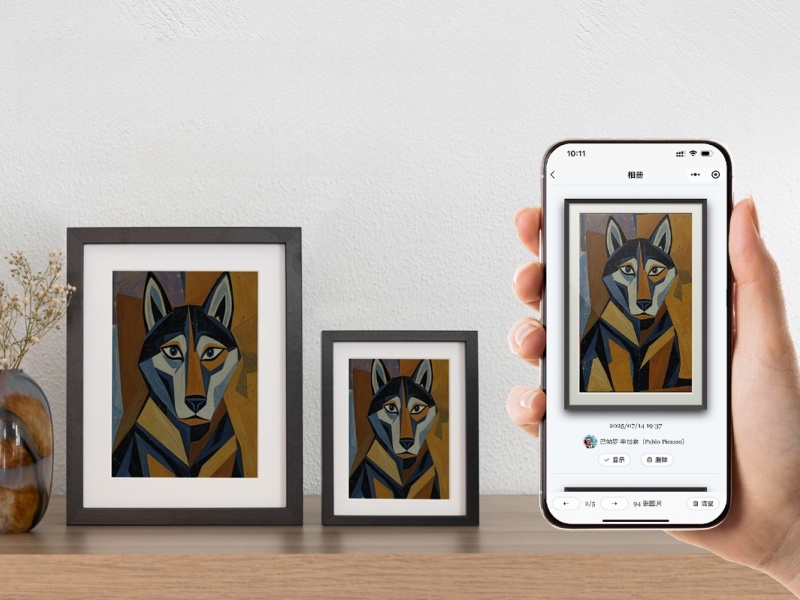
Display Selection: E-Ink vs LCD for AI Art Frames
Here you choose what the art actually looks like. A simple way to compare is to put specs into a table and review them with your team.
| Feature | Color E-Ink Display | LCD / IPS Display | Note For Buyers |
|---|---|---|---|
| Power use | Very low, image holds when static | Higher, needs constant backlight | Affects battery size and heat |
| Look | Paper-like, no glare | Bright, can reflect lamps | E-ink suits calm interiors |
| Content | Static art, AI images | Photos, video, animations | LCD wins on motion |
| Eye comfort | Almost no blue light | Noticeable blue light | Selling point for long viewing |
If your main promise is “gentle art on the wall that never glares,” E-ink fits better. If you need video, heavy motion, or bright advertising, LCD still has its place, maybe as part of other smart display solutions.
Firmware Development: Core Logic Of AI Art Frames
Firmware is where many projects quietly get stuck. A spec sheet that only says “support AI art” is not enough.
You need clear rules: how often the frame refreshes images, how it stores thousands of artworks locally, how it behaves when Wi-Fi drops, and how deep you want power-saving to go. Some AI art frames can keep more than 3,800 images on device and still cycle them smoothly. Ask each custom AI art frame supplier who owns the firmware, how over-the-air updates work, and who pays for changes after launch. These topics are not fun, but they save arguments later.
App Ecosystem: AI, Upload, Sharing, And Remote Control
For many users the app feels like the real product. They might touch the frame once, but they use the app every week. That is why the app scope needs as much care as the housing.
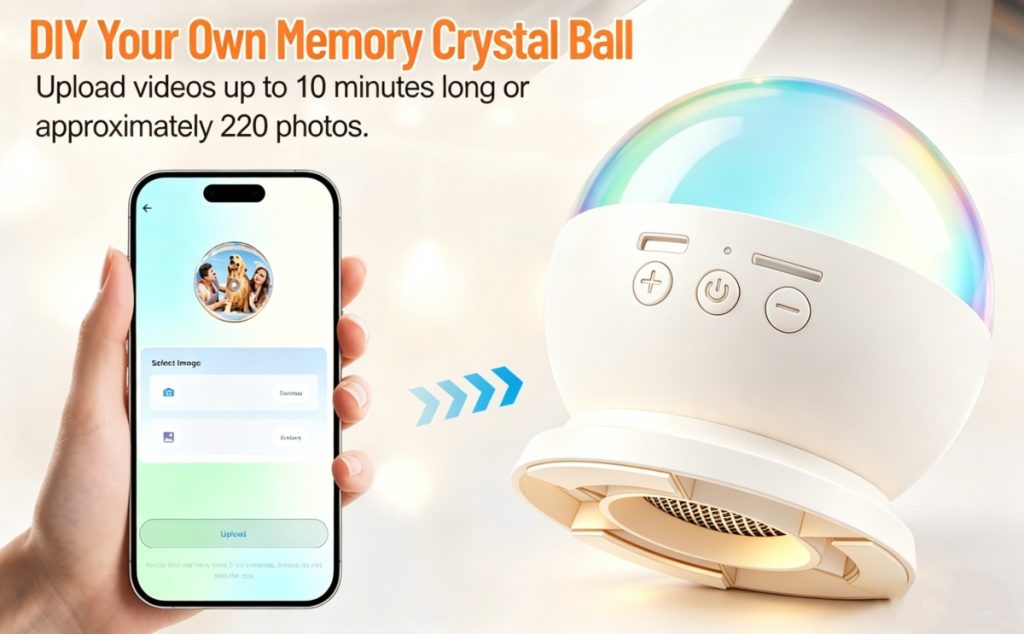
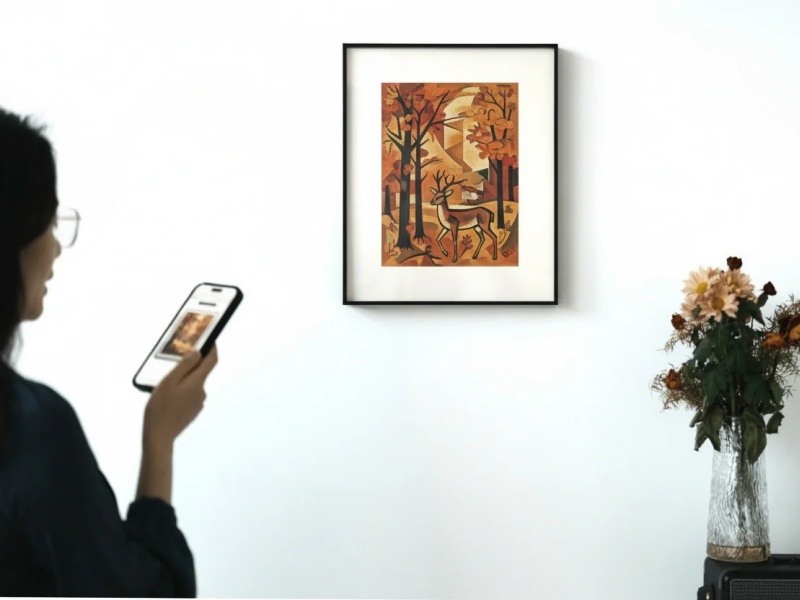
A strong AI art frame app usually covers three things: creation, upload, and family sharing. Users talk to an AI chat model , draw rough sketches, or upload old photos; AI app turns those into finished artworks, often in dozens of styles, then pushes them to the frame. Others in the family can add pictures from phones, turning the e-ink frame into a shared gallery. If you target this use case, mention it early during talks with any custom AI art frame supplier so they size their backend correctly.
Cost, MOQ, And Development Timeline
Even the most beautiful concept must live inside a budget. A simple rule of thumb: housing and display feel like the obvious costs, firmware and app are the quiet ones.
You can treat project cost in four blocks:
| Block | What Changes It Most |
|---|---|
| Housing | Custom molds, metal frames, special finishes |
| Display | E-ink size, color depth, resolution |
| Firmware | Extra modes, power logic, widgets |
| App | AI features, cloud storage, multi-user sharing |
MOQ usually goes up when you change both housing and software. For a first small run, you might base the project on existing digital frame products and only add AI features you really need. Timelines vary, but 60–120 days from design lock to shipment is common for a full custom build.
Why Work With YIAISIGN For Custom AI Art Frame Projects
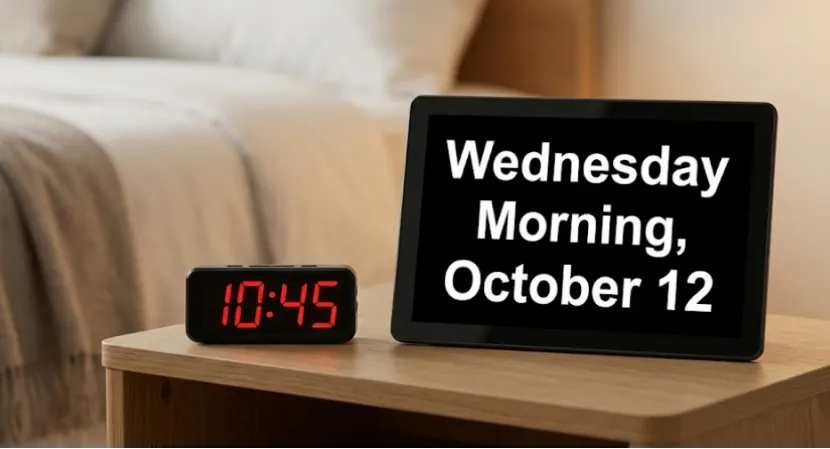
YIAISIGN is a professional digital display screen manufacturer that focuses on customizable smart frames and screens for global brands. Its catalog covers Wi-Fi digital photo frames, digital art frames, digital day clocks, Android all-in-one machines, digital signage, portable monitors, and advertising displays, so you can build an entire family of related products on one platform.
For OEM/ODM buyers, the value sits in the complete service chain. YIAISIGN offers hardware design, software customization, and supply service, which lets you discuss housing, display, firmware, and branding in one place instead of juggling several small vendors. With more than 15 years of experience in the display industry and projects across home, retail, and commercial environments, the team is used to handling both consumer digital frames and more advanced art or signage devices under the same quality system. If you want to move from simple frames into a structured smart display line, working with a partner like YIAISIGN takes a lot of friction out of the process.
Conclusion: Build The Right AI Art Frame For Your Market
A good custom AI art frame project ties four things together: a frame people like to look at, a display that suits art, firmware that behaves predictably, and an app that makes creation feel easy. If you treat each part as a small decision instead of one giant leap, you get a product that buyers remember and that channels want to reorder. And that is exactly what you want from the time you invest with your next custom AI art frame supplier.
FAQ
Q1: How can you choose a reliable custom AI art frame supplier for OEM projects?
A: Start with their track record. Look at how long they have been in the display business, what types of frames and signage they already ship, and if they offer both hardware and software support. You can also ask for case studies and a small pilot run before you go big.
Q2: What is the key difference between an AI E-ink art frame and a regular digital frame for buyers?
A: An AI E-ink art frame feels more like a quiet painting on the wall, with soft light and very low power use. A regular digital frame behaves more like a small TV for photos and video. If your customers care more about mood and décor than motion, they will notice that difference fast.
Q3: Is a custom AI art frame OEM project suitable for small wholesale orders?
A: It can be, but you need to be honest about MOQ and tooling cost. For tiny orders, it often makes more sense to tweak an existing design. Once you feel solid demand from your wholesale partners, a full custom build starts to pay off.
Q4: What should you ask an AI art frame manufacturer about firmware and app support?
A: Ask who owns the code, who hosts the servers, how long they plan to keep updates going, and what happens if you need a feature change after launch. Clear answers here tell you a lot about how serious that manufacturer is about long term work.
Q5: Can one factory handle both AI art frame ODM and digital frame OEM production?
A: Yes, some factories already do both. If a manufacturer builds AI art frames, digital frames, and even digital signage on the same platform, you can grow step by step without changing vendors all the time, which keeps your life a lot simpler.